

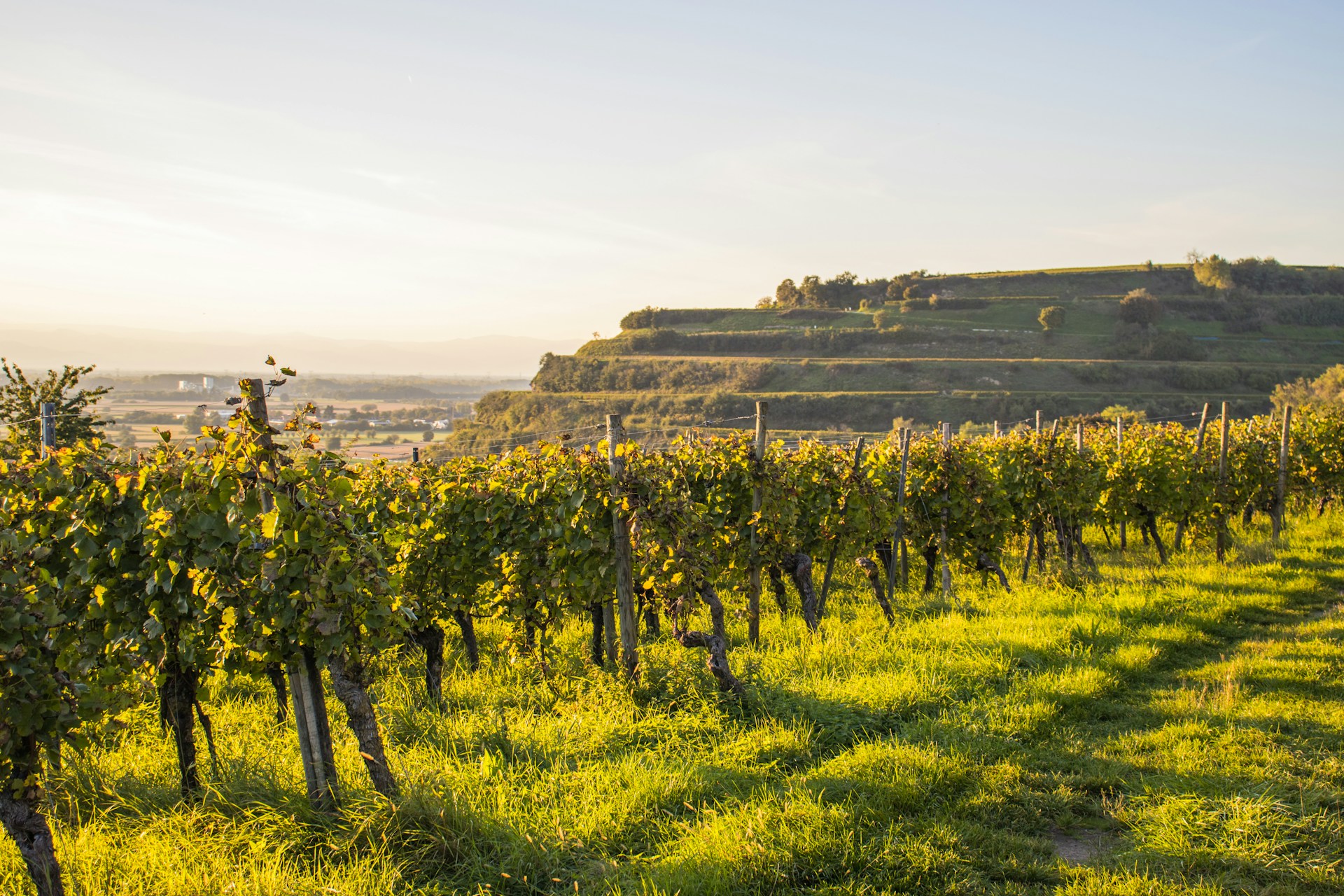
Stellenbosch is often associated with grand estates, iconic labels, and tasting rooms that appear in nearly every travel guide. While these well-known destinations deserve their reputation, they represent only part of what the region has to offer. Beyond the popular routes lies a quieter, more intimate wine landscape that rewards curious travellers willing to look a little deeper.
For visitors researching Stellenbosch wine tours, stepping off the main path can lead to experiences that feel more personal and less commercial. Smaller producers, lesser-known valleys, and family-run farms offer wines shaped by passion rather than scale. These hidden corners of the region reveal stories and flavours that are easy to miss when following standard itineraries.
Choosing a more exploratory approach to Stellenbosch wine tours creates space for discovery, conversation, and unhurried enjoyment. Instead of moving from one landmark estate to the next, travellers can immerse themselves in the rhythms of winemaking life, where the focus is on craft, land, and genuine hospitality.
Why Exploring Beyond the Famous Estates Is Worth It
Well-known wine farms often attract large crowds, particularly during peak season. While their facilities and offerings are impressive, they can feel busy and structured. Venturing away from these hotspots introduces a different side of the region, where tastings unfold at a slower pace and interactions feel less scripted.
Off-the-beaten-path estates typically prioritise quality over volume. Many produce limited batches, experiment with unusual varietals, or use traditional methods that reflect a strong connection to the land. These elements combine to create experiences that feel distinctive and memorable.
Understanding Stellenbosch’s Lesser-Known Wine Areas
Stellenbosch is not a single uniform wine zone. It is made up of several sub-areas, each with its own climate, soil profile, and character. Some of the most interesting hidden gems are located just a short drive from the main town, yet remain overlooked by many visitors.
These areas often feature:
-
Cooler microclimates influenced by elevation or ocean breezes
-
Boutique estates tucked into valleys or mountain slopes
-
Producers focused on terroir-driven wines
-
Quiet roads with scenic views
By targeting these zones, travellers can uncover wines that differ markedly from mainstream offerings.
Small Producers and the Appeal of Boutique Wineries
Boutique wineries form the backbone of Stellenbosch’s hidden wine scene. These producers often operate on a smaller scale, allowing for hands-on involvement in every stage of production. The result is wines with a strong sense of identity and place.
Visiting these estates often means:
-
Tastings hosted by the winemaker or owner
-
Informal settings rather than polished tasting rooms
-
Honest conversations about challenges and successes
-
Opportunities to sample limited or unreleased wines
For many visitors, these interactions become the most memorable part of the trip.
Alternative Tasting Experiences Without the Crowds
Hidden estates frequently offer tasting formats that differ from the standard bar-style setup. Without the pressure of high visitor numbers, hosts can tailor the experience to individual interests.
Alternative tasting approaches may include:
-
Seated tastings overlooking vineyards
-
Comparative tastings focused on soil or vintage variation
-
Walk-and-taste experiences through the vines
-
Barrel samples paired with storytelling
These formats encourage engagement and curiosity, transforming tasting into a learning experience rather than a transaction.
Scenic Routes That Lead to Unexpected Discoveries
One of the pleasures of exploring lesser-known wine farms is the journey itself. Scenic back roads often lead to estates that are invisible from major routes, rewarding those who take their time.
Travelling these routes offers:
-
Panoramic views of mountains and vineyards
-
Quiet roads ideal for relaxed driving
-
Opportunities to stop and explore spontaneously
-
A sense of immersion in the rural landscape
The journey becomes part of the experience, not just a means to an end.
Planning a Day Focused on Hidden Gems
A successful off-the-beaten-path wine day requires a slightly different approach to planning. Rather than aiming to visit many estates, focusing on a few carefully chosen stops allows for deeper engagement.
A well-paced day might look like this:
-
Start with a morning visit to a small estate with limited tasting slots
-
Enjoy a relaxed lunch nearby rather than moving far afield
-
Visit one or two additional producers in the same area
-
End the day with a scenic drive or quiet stop for reflection
This structure keeps the experience intimate and unhurried.
The Value of Flexibility When Exploring Lesser-Known Estates
Hidden gems do not always operate on the same schedules as large commercial wineries. Some require advance booking, while others open only on specific days. Flexibility is key to making the most of these visits.
Remaining adaptable allows travellers to:
-
Adjust plans based on availability
-
Extend visits when conversations flow naturally
-
Discover new estates through local recommendations
-
Respond to weather or energy levels
This adaptability often leads to unexpected highlights.
Wine Styles That Stand Apart From the Mainstream
Smaller producers often feel freer to experiment. Away from commercial pressures, they may focus on niche varietals, minimal intervention techniques, or blends that reflect personal vision rather than market trends.
Visitors might encounter:
-
Old-vine wines with distinctive character
-
Uncommon grape varieties rarely seen elsewhere
-
Natural or low-intervention winemaking styles
-
Vintage-specific expressions shaped by seasonal variation
These wines offer contrast and broaden understanding of what the region can produce.
Connecting with the People Behind the Wine
One of the most rewarding aspects of exploring hidden gems is the opportunity to meet the people responsible for the wines. Conversations extend beyond tasting notes to include farming philosophy, sustainability practices, and personal journeys.
These interactions foster:
-
Greater appreciation for the effort behind each bottle
-
Insight into challenges faced by small producers
-
A stronger emotional connection to the wines
-
Stories that linger long after the trip ends
Such connections are harder to find in busier settings.
Creating a More Personal Wine Journey
Choosing a less conventional route through Stellenbosch shifts the focus from prestige to authenticity. The experience becomes less about ticking off famous names and more about understanding the land, the craft, and the people involved.
When approached with curiosity and patience, Stellenbosch wine tours reveal a quieter side of the region that feels deeply rewarding. By exploring hidden gems and embracing the unexpected, travellers leave with a richer, more nuanced appreciation of the valley and its wines, shaped not by crowds or schedules, but by genuine moments of discovery.
